
Chronic Venous Insufficiency: Symptoms and Treatment
Chronic venous insufficiency (CVI) develops when damaged or weakened valves let blood flow backward and collect in the leg veins. This increases pressure and can cause swelling, aching, varicose veins and skin changes. It is more than cosmetic. Venous insufficiency is evaluated and treated in the office. Some people develop worsening symptoms or complications over time.
What is venous insufficiency?
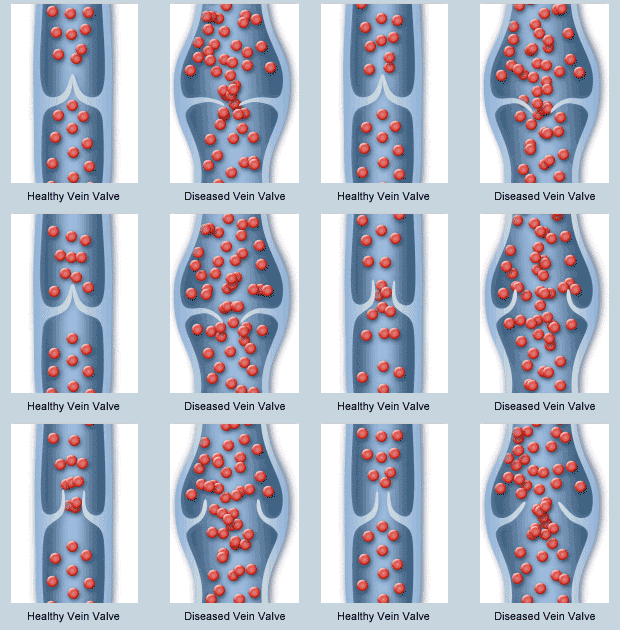
Healthy vein valves keep blood moving toward your heart. When they do not close properly, blood can flow back toward your feet. This backward flow is called venous reflux. Over time, the extra pressure can stretch the veins and affect the surrounding skin and tissue.
Venous insufficiency symptoms
Venous insufficiency can affect how the legs feel as well as how they look. Symptoms may worsen after prolonged standing and improve with leg elevation. Signs and symptoms include:
- Aching, heaviness or tired legs
- Swelling in the lower legs or ankles
- Cramping, itching or burning
- Varicose veins
- Skin discoloration or thickened skin
- Venous ulcers, which are open sores on the lower leg
Spider veins and reticular veins can also occur without chronic venous insufficiency. Their appearance alone does not establish the diagnosis.
Risk Factors and Causes
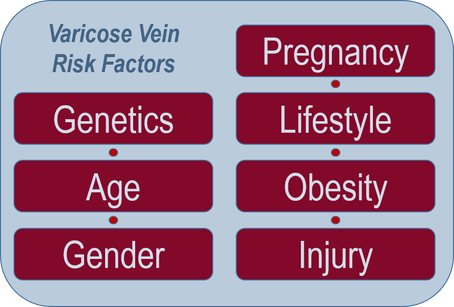 Several factors increase the risk of chronic venous insufficiency. Some, such as family history and age, cannot be changed. Others, including excess weight and prolonged sitting or standing, may be addressed. But having a risk factor does not mean the condition will develop.
- Genetics: A family history of varicose veins or other vein problems increases the risk of venous insufficiency. An inherited predisposition does not mean the condition will necessarily develop.
- Age: As we get older, the elasticity in our vein walls decreases. This increases the possibility that valves will fail and varicose veins will develop.
- Gender: Females are much more likely to develop spider or varicose veins. Some research indicates increased levels of female hormones may cause relaxation of vein walls and may lead to valve failure.
- Pregnancy: The enlarged uterus during pregnancy can cause increased pressure on all veins. Combined with elevated hormone levels and heavier weight, pregnant women are at higher risk for varicose veins. This is typically for the first time while pregnant or shortly thereafter. Venous insufficiency usually gets worse with subsequent pregnancies and may improve somewhat after childbirth when the uterus, hormones, and weight return to normal.
- Lifestyle: Prolonged sitting or standing can increase the risk of vein problems. This includes occupations that involve spending much of the working day seated or standing.
- Obesity: Weight gain or carrying excessive body weight increases the risk for varicose veins and venous insufficiency. This may be because of increased pressure on the venous system in obese individuals. Often, losing weight helps alleviate the symptoms of damaged veins in obese patients. Diet can have an effect as well.
- Injury: Previous leg trauma can damage veins or their valves and contribute to venous insufficiency. Relevant history includes fractures, surgery and significant soft-tissue injuries. These should be discussed during evaluation.
- Previous deep vein thrombosis (DVT): A blood clot in a deep leg vein can damage the valves or leave an obstruction that affects blood flow. This can lead to chronic venous insufficiency, also called post-thrombotic syndrome when it follows DVT.
Diagnosing Venous Insufficiency or Varicose Veins
Diagnosis begins with symptoms, medical history and an examination of the legs. Venous duplex ultrasound can identify backward blood flow through faulty valves and possible obstruction. These findings help determine which veins are involved and guide treatment.
Ultrasound for Diagnosing Venous Insufficiency
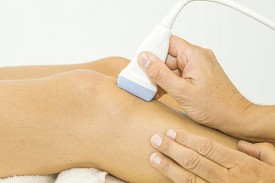 Venous duplex ultrasound shows vein anatomy and measures blood flow. The examination can assess the great saphenous vein, which runs along the inner leg and thigh, as well as other superficial and deep veins. It helps identify venous reflux and map the veins before treatment. Read more about venous ultrasound and vein mapping.
Ultrasound for Suspected Blood Clots
Ultrasound can also check for deep vein thrombosis (DVT), a blood clot in a deep vein. A reflux examination and a blood-clot examination answer different questions; the symptoms and reason for testing determine which examination is needed.
Diagnosis Leads to Treatment
The ultrasound findings are considered together with the symptoms and physical examination to develop a treatment plan. Finding venous reflux does not automatically mean a procedure is needed.
Treatment for Chronic Venous Insufficiency
Treatment depends on the symptoms, skin changes and whether testing identifies venous reflux or obstruction. The aim is to improve blood flow, relieve symptoms and manage complications such as swelling or venous ulcers. Treatment of an underlying vein problem may be needed before addressing remaining visible veins.
Conservative Treatment
Compression stockings can help manage swelling and other symptoms by supporting blood flow through the legs. They do not repair damaged valves. The examination and ultrasound findings help determine whether compression alone is suitable or whether a procedure should also be considered.
Procedures for Venous Reflux and Visible Veins
Different procedures address different vein problems:
- Radiofrequency ablation (RFA) closes a vein with faulty valves to treat venous reflux.
- Sclerotherapy uses injections to treat spider veins and reticular veins. It may be used for remaining visible veins after an underlying problem has been addressed.
- Stab phlebectomy removes selected surface varicose veins through small incisions.
San Francisco Vein Center is a vascular surgery practice led by Melinda Aquino, MD, a board-certified vascular surgeon.